
When my friends and I went to watch the new Mario movie this Friday, the thing that stood out the most to me was not the lackluster storyline but rather the amazing animation. Filled with vivid colors, dynamic character designs, and of course, epic obstacle scenes, everything was just so well-executed and serotonin-inducing. Of course, it’s hard to go wrong when the Mario Kart game itself is already so distinctive and stunning. Every time I play Mario Kart, I’m can’t help but admire the creativity that goes into designing the maps. Although each map has a different theme, they all carry the same wow factor and “Mario-ness,” a trait perfected after many games over many years. Can you believe that the first Super Mario game looked like this?
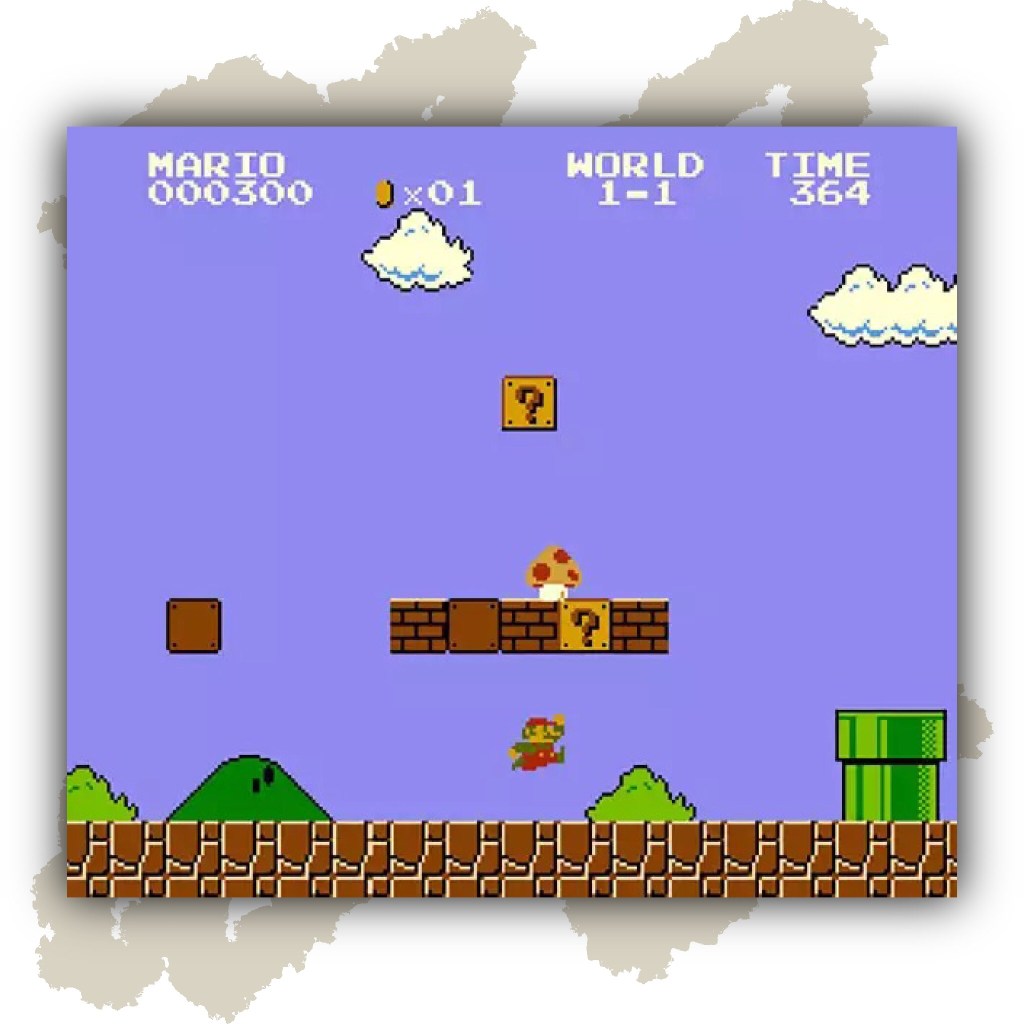
Totally different than what it looks like now:
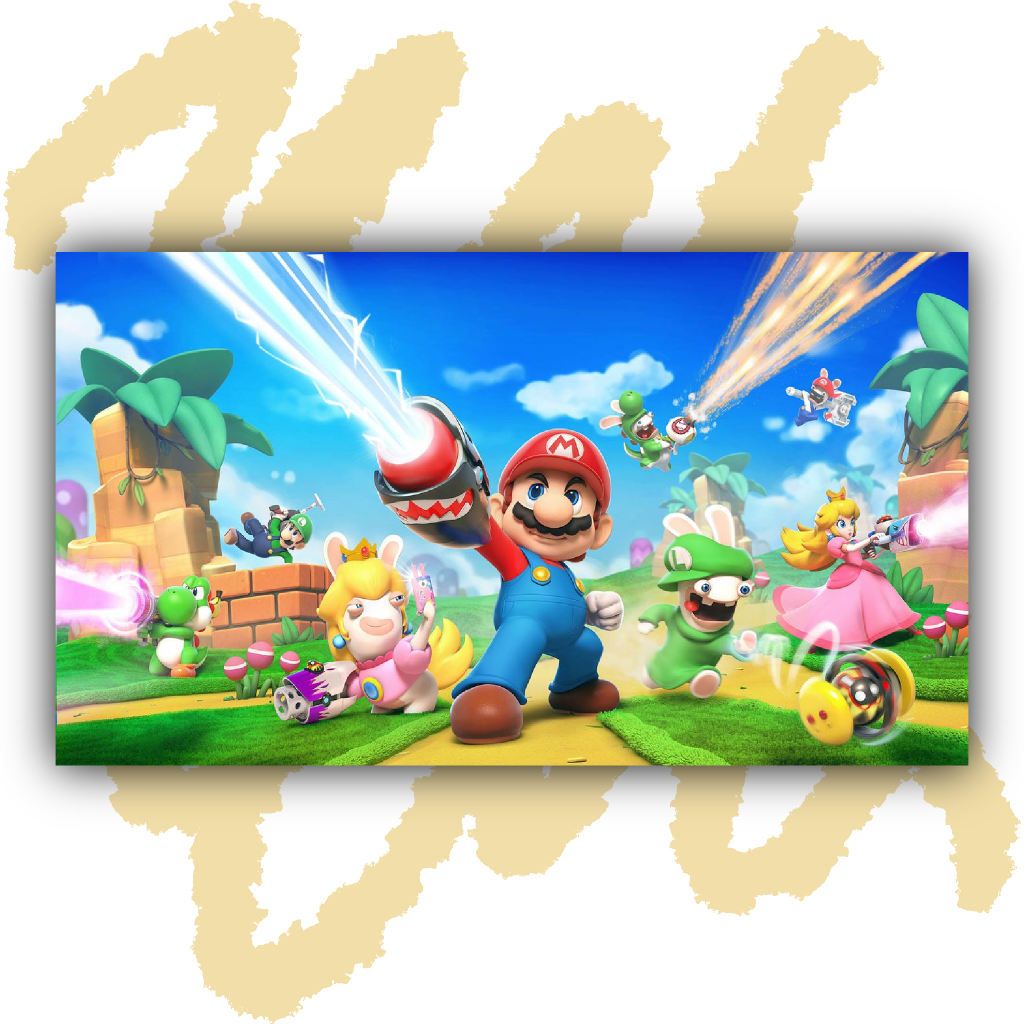
Our modern video game graphics consist of ultra-smooth animation, dynamic form, and crisp details. But it wasn’t always that way. Let’s go back in time to 1972, when Pong, one of the first video games, was released.
Pong (1972)

Pong is a simple game of ping-pong. Two players control paddles that move a ball back and forth. The game’s objective is simple and so were its graphics. With a limited amount of pixels and a purely black and white color scheme, Pong certainly wasn’t as visually appealing as the games we have today.
A few years later, Pac-Man was released.
Pac-Man (1980)
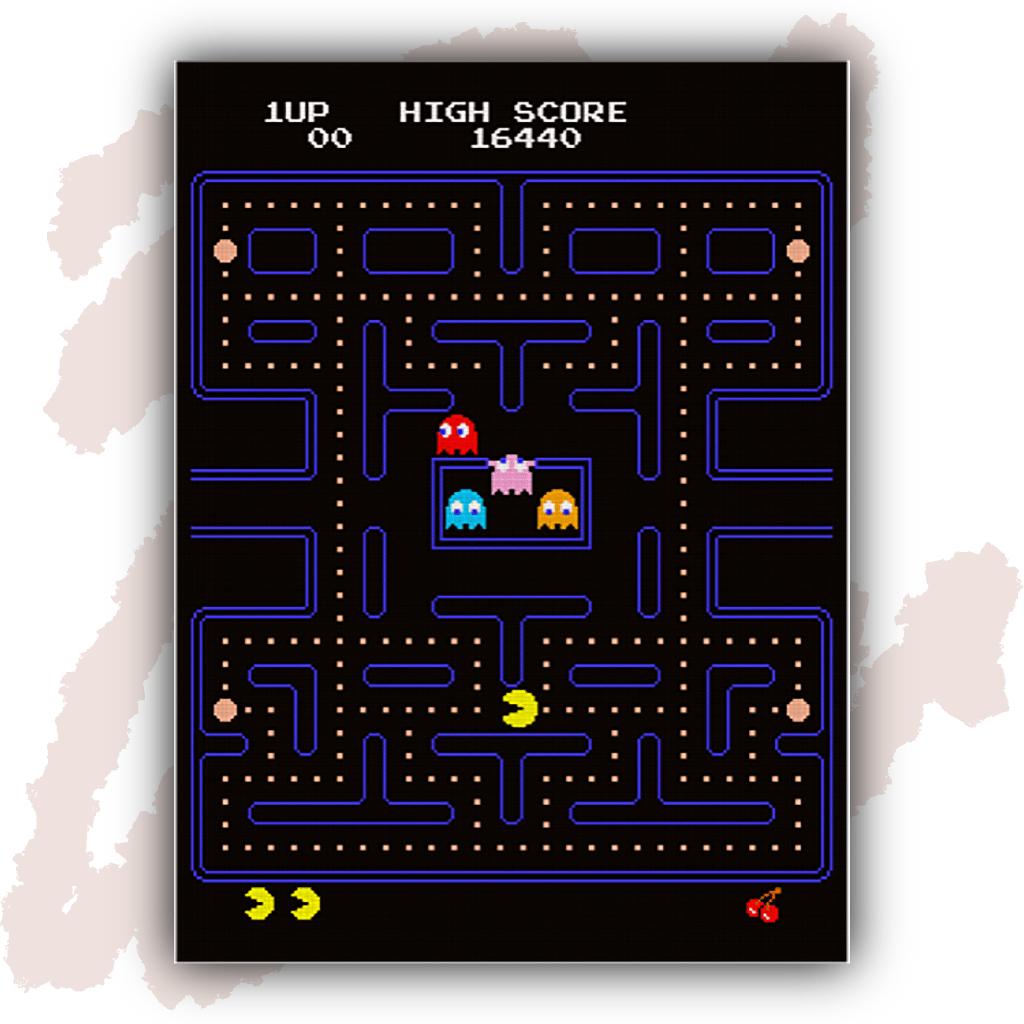
Despite being introduced to the world over 40 years ago, Pac-Man is still an icon today. The game is a bit more complex than Pong, and so are its visuals. Characters and colors take Pac-Man up a notch from the video games in the 70s.
During the 90s, new consoles such as the Sony PlayStation, Bandai Pippin ATMARK, and Nintendo 64 were introduced. The gradual shift from 16 bit to 32 bit to 64 bit facilitated huge improvements in video game graphics. A notable example is:
Grand Theft Auto (1997)
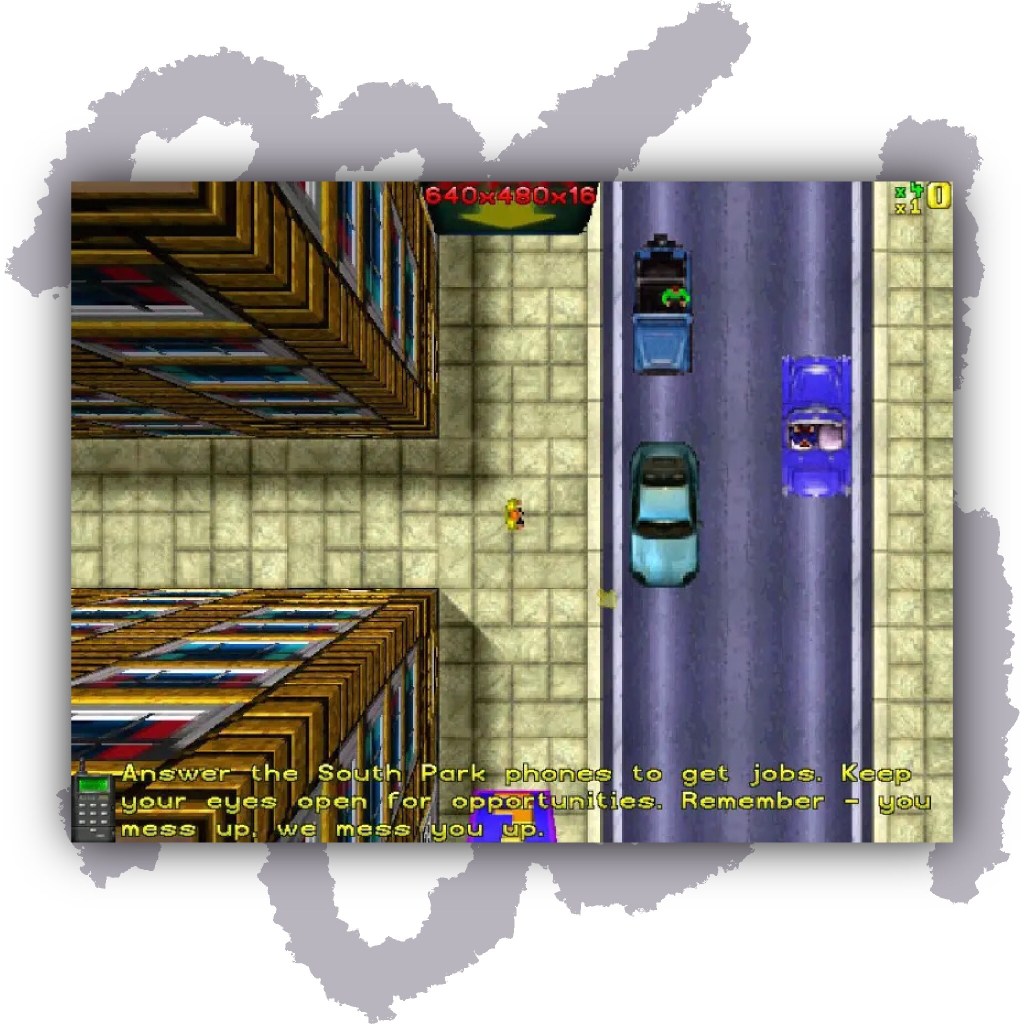
You can see a giant leap from the blocky, flat visuals of Pac-Man to the more smooth and 3-dimensional visuals of GTA. As technology progressed, video game art became more detailed and vivid. Each game developed its unique style and characters.
Now let’s fast forward to today, when stunning visuals are a must for successful games. Just as digital art has advanced as a whole, video game art has reached an entirely different level of perfection. Games like Cyberpunk 2077 and Horizon Forbidden West boast hyper realistic graphics, while series like Animal Crossing and of course, Mario, have perfected a distinct style that is immediately recognizable.
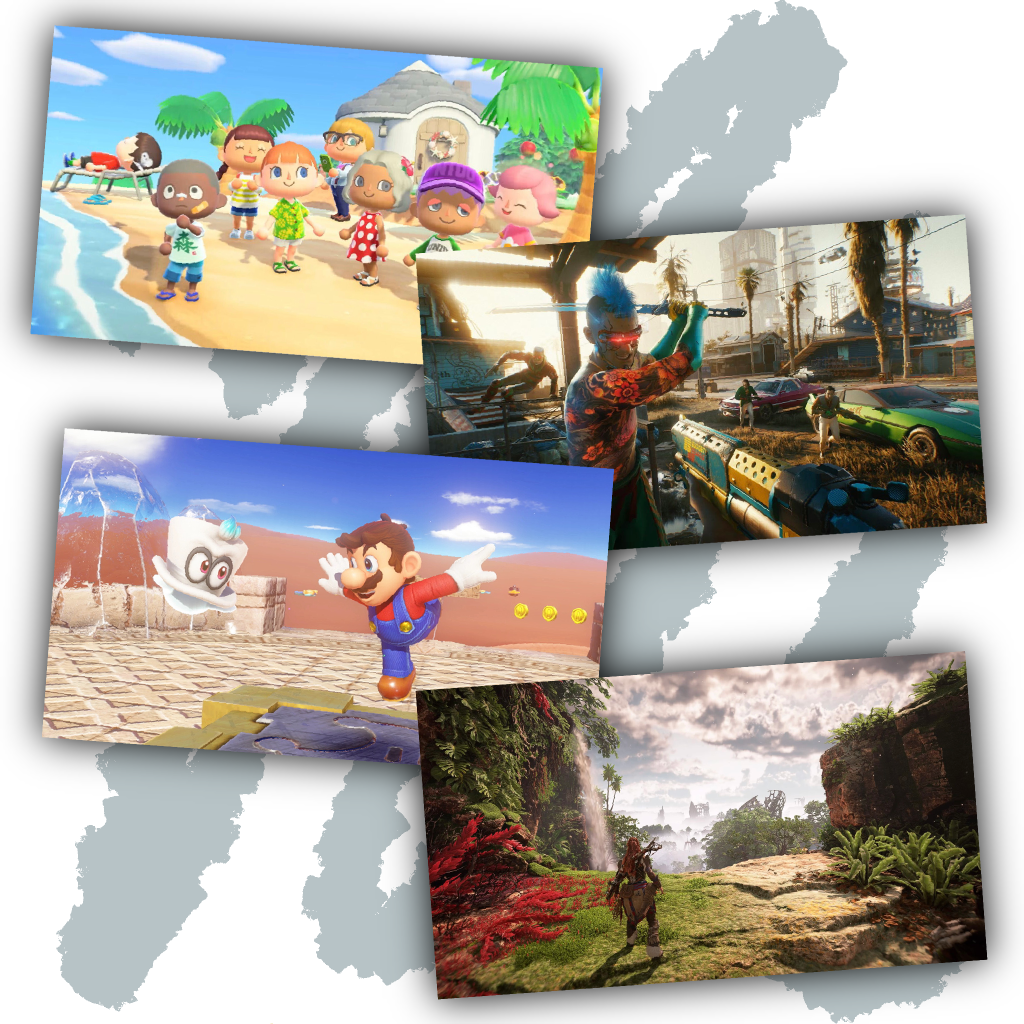
While not typically considered “art,” video games are a tremendous show of imagination, vision, and artistic skill. Over the years, video game design has evolved from a purely technical craft to an artistic one as well. Considering the insane degree to which game art has changed within the last 50 years, just imagine what 2070 will hold!
References available upon request
 the aesthete